
Burton’s Water
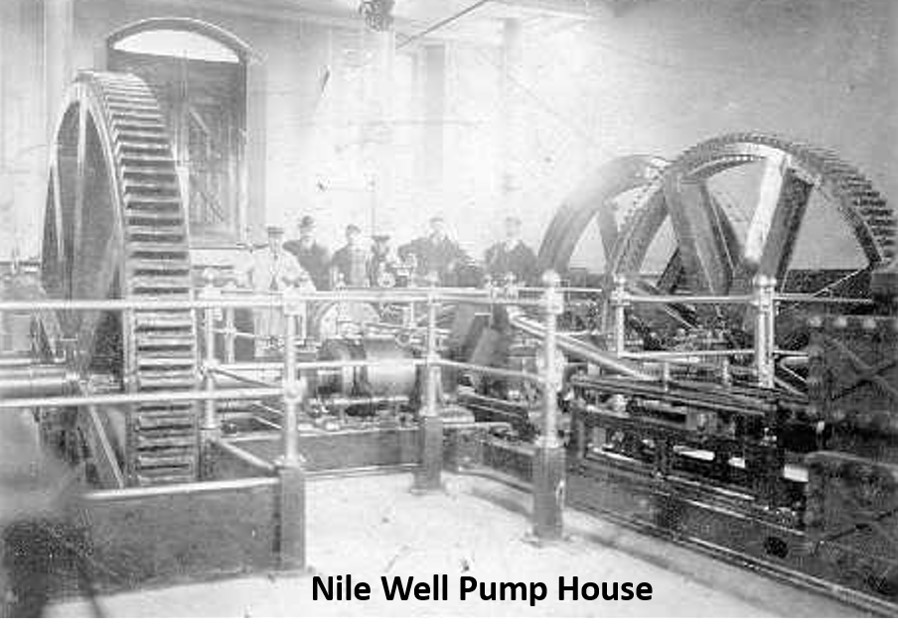
Water is one of the most important raw materials used by the brewing sector, making up about 95% of beer on average. The composition of the water also has a major impact on the brewing process and the final flavour of beer. Before the age of water treatment, the type of beer that could be brewed depended on the geology of its immediate environs. Mineral rich, hard water is more common in the production of ales, whereas soft water is key to the production of lager.
Burton upon Trent’s water’s hardness and mineral content which is formed on its journey through the Trent valley’s gypsum beds, is ideal for brewing pale ale and is the reason why in the mid-late 19th century Burton upon Trent became the brewing capital of the world.
The 1700s
The 18th century was noted for the growth of Merchant Brewers and the Baltic Trade.
In 1712 the River Trent was made navigable permitting access from Burton to the port of Hull which eventually led to the Baltic Trade and the growth of the “merchant brewers”.
By 1777 the Trent and Mersey canal opened, providing access to Manchester and Liverpool Docks.
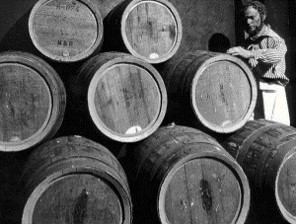
Because of their mineral content Burton beers were able to travelling long distances and were well received in the Baltic States. In 1790 total annual beer production in Burton was around 20,000 barrels from 13 breweries, 40% of which was exported but by the turn of the century, Britain was at war with France which resulted in the decline of the Baltic Trade.
The 1800s
The 1800s were to witness the growth of specialist brewers and India Pale Ale.
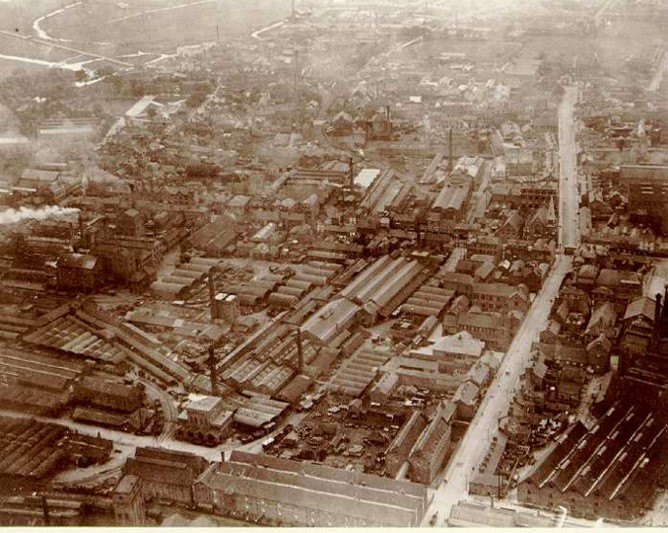
Between 1822 and 1834, Burton saw its first exports of India Pale Ale from five of its breweries. The opening of the Birmingham to Derby railway in 1839 opened up more routes to market and between 1840 and 1880 Burton became the “Brewing Capital of the World” raising annual production from 70,000 to 1,759,000 barrels. Part of this rise was due to the influx of Brewers from other parts of the UK including: Charrington, Mann, Crossman & Paulin and Truman all from London, Boddington from Manchester, Ind Coope from Romford, Peter Walker and also A B Walker both from Warrington.
By 1890 the number of Brewers in Burton had grown to 31 employing 8,000 people and with an annual output of 3 million barrels following the introduction of “all year round” brewing.
At one time, Burton upon Trent brewers produced one in four pints of beer sold in Britain.
The 1900s
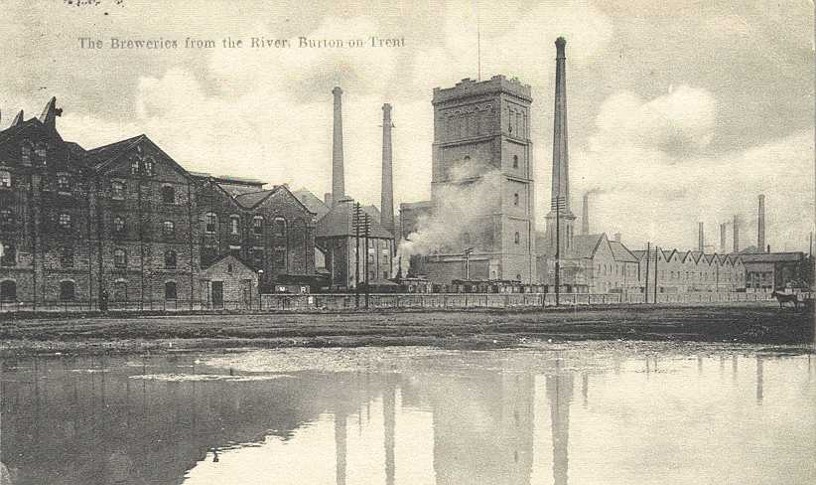
The start of the 1900s saw a decline in the number of brewers to 21 in 1900 and 17 in 1912 as a number of takeovers took place and as brewers outside Burton learned how to “Burtonise” their local water. The pace of consolidation continued until, in 1950, there were only 4 (very large) breweries owned by Bass & Co, Ind Coope & Allsopp, Marston Thompson & Evershed and Truman, Hanbury & Buxton.