In medieval times most households brewed their own beer (or ale as it was then called).
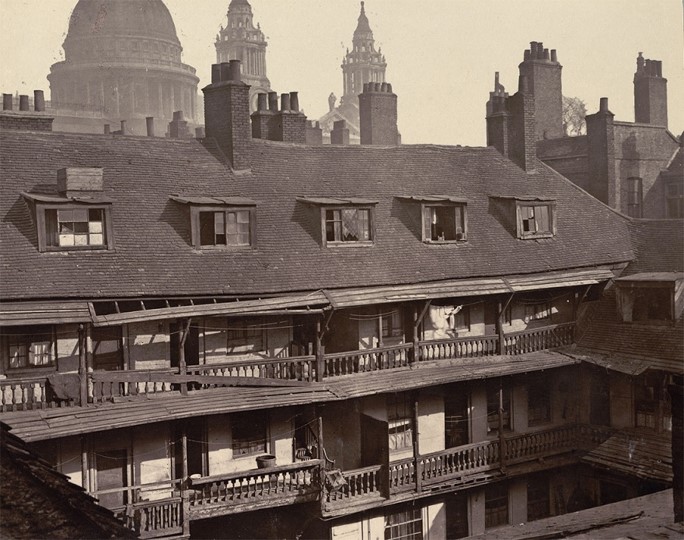
The first outlets offering ale for sale were simply modified domestic premises and were known as alehouses.
Monasteries also brewed ale – both for the monks as well as travellers and visiting guests. Inns also developed to cater for travellers, and offered beer and food as well as accommodation and stabling.
A third type of establishment – taverns- initially sold only wine, but began to sell beer as well as wine from Tudor times onwards.
After the dissolution of the monasteries, all three types of commercial outlet evolved to cater for differing social needs, but towards the end of the 18th century all three became increasingly referred to simply as “public houses”, and were subject to the same licensing.
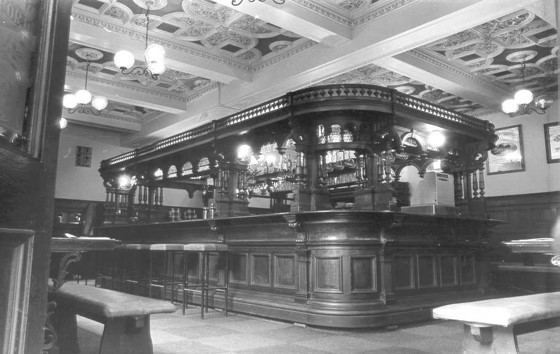
Public houses reached the height of their popularity during the 1870’s, after which beer drinking went into a slow but continuing decline. In order to safeguard sales, brewers increasingly began to buy pubs, and competed with one another in terms of the lavishness and flamboyance of their city centre pubs décor – the so-called Victorian gin palaces.
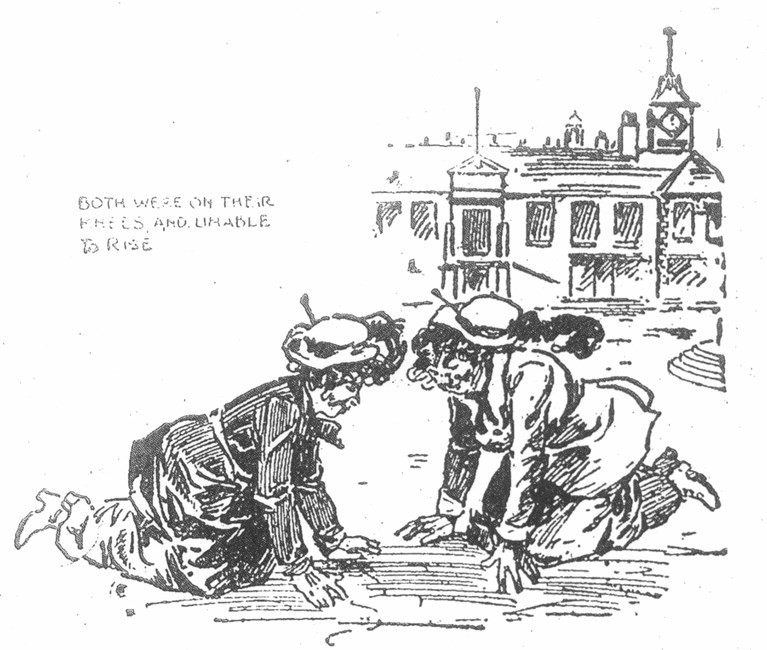
At the other extreme, many public houses were ill-maintained, poorly managed, and acquired an unsavoury reputation which reflected badly on the brewing industry as a whole – especially in an era when the temperance movement was growing in voice.
A number of brewers adopted a strategy of “fewer but better” in terms of their pub estate, and started to upgrade them. This became especially critical after the First World War when, due to changes in social attitudes, increasing competition from other leisure time activities and an economic slump, public houses suffered.
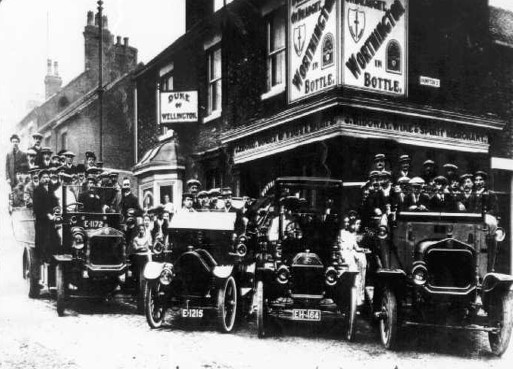
Positive attempts were made to broaden the appeal of the pub and change them from men-only drinking dens to more family-oriented premises. Soft drinks were introduced, and seating, lighting and amenities in general improved. Charabanc social outings from pubs proved especially popular.
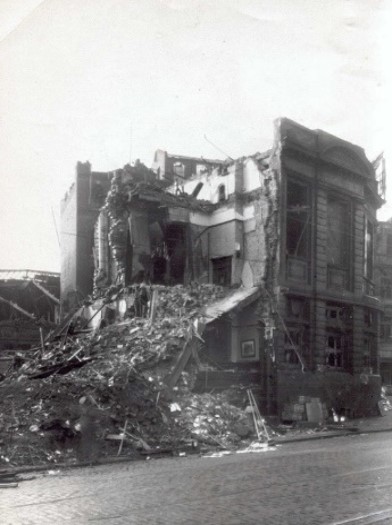
During the Second World War, the popularity of pubs increased, and once again they became the focal point of communities – both urban and rural – as well as symbols of the British way of life.
However, thousands were lost due to enemy action and, after the war, restrictions on labour and materials meant that refurbishment and rebuilding were slow.
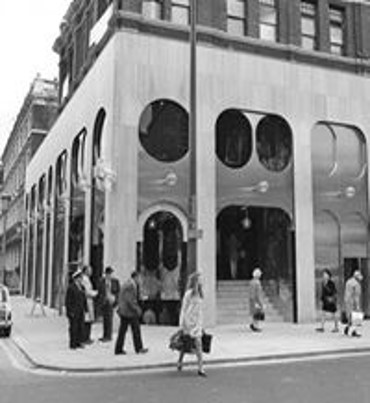
In the 1960’s as the economy started to grow, new concepts in pubs were launched in order to cater for a post-war generation with different needs and attitudes. As the brewing industry began to recognise its role within the broader (and growing) leisure and hospitality industry, pubs became more cosmopolitan in their style as well as the range of drinks and now food they were expected to offer.
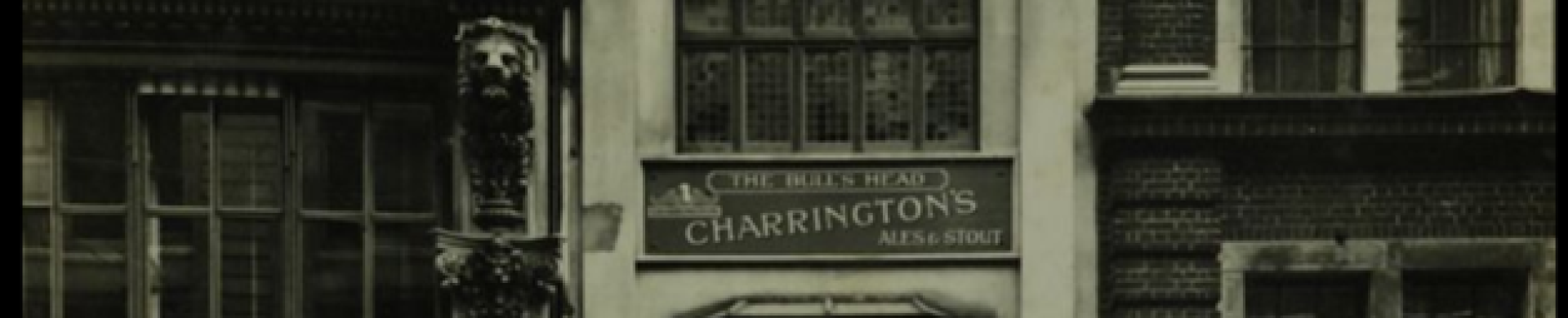
The archives contain a wealth of photos, architects plans, drawings, books and articles showing the way in which the external as well as internal features and amenities of public houses have evolved and developed over the last 150 years so as to cater for the ever-changing needs and expectations of new generations of pub goers.